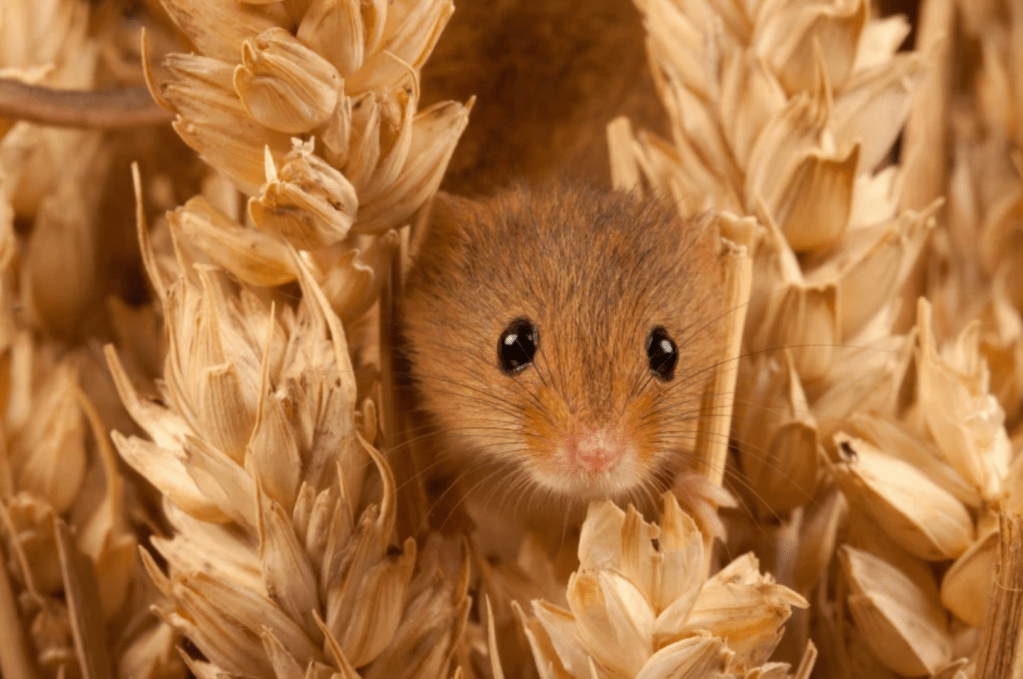
The harvest mouse is a small native rodent found in tall grass meadows, reedbeds and agricultural cereal crops in southern and central England and parts of Wales.
Not common, but widespread in Norfolk, our smallest native rodent is only 7 cm long with a 7 cm prehensile tail and weighs only 6 grammes ( less than a 2 pence piece) This tiny creature is often overlooked with its reddish-brown upperparts, white underparts with quite large ears & eyes and the whiskers are short and stubby. The harvest mouse is in threat of serious decline in England due to the 80% loss, since 1970s, of its prime habitat, wildflower and tall grassland meadows.
Climbing through the cock’s foot grass with speed and skill, using their strong grasping tail and long rear toes the grass blades barely bend at their light weight as they move feeding on seeds and small invertebrates, they will also take nectar in the spring and fruits in autumn. Their nest is built in June/July and is high in the grasses, a weaved cricket ball sized nest made from grass leaves and stems that holds 6 – 8 tiny naked, blind young which the female suckles until they leave the nest. Harvest mice only live for 1 – 2 years due to their size and vulnerability to predators that includes most of the British owl species, kestrels and cats.
Their number fluctuates from year to year and I come across their old nests when cutting wildflower meadows during late August and early September. This year I only found one nest whereas last year I found seven.
We can help the harvest mice population by allowing grasses to grow tall, having small wild areas in the garden and even by joining a programme of release to help the population spread and therefore increase. Facebook.com/LinkHarvestMice
In the 2000s I successfully bred harvest mice for release into the wild and one year did a piece on film with Chris Packham for BBC Springwatch. I remember it well because as we were filming the harvest mouse in my hand sunk its needle-sharp teeth into the end of my finger and everyone was impressed that I uttered no profanity as the blood slowly dripped out. Needless to say, we had to film the piece again.
There are still harvest mice in sites I released animals into almost twenty years ago and this indicates that the reintroduction of species into habitats that have become fragmented and isolated is often the only way of ensuring some species survive for a little longer in our collapsing natural world.
Paul Laurie (Credit: Local Lynx Magazine – Edition 158)
Wild Bale – The Harvest Mouse
Discover more from Bale Village
Subscribe to get the latest posts sent to your email.
Related articles
-
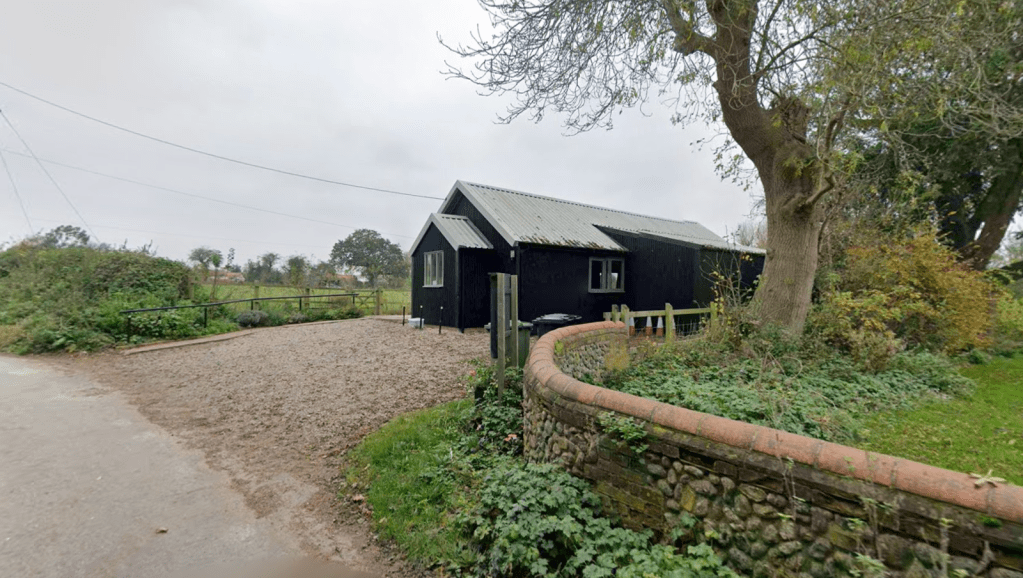 › Read more: Bale Village Hall News – Winter 2026
Bale Village Hall News – Winter 2026
Reviewing the village hall bookings diary in preparation for this edition of the Lynx, it was striking what a rich…
-
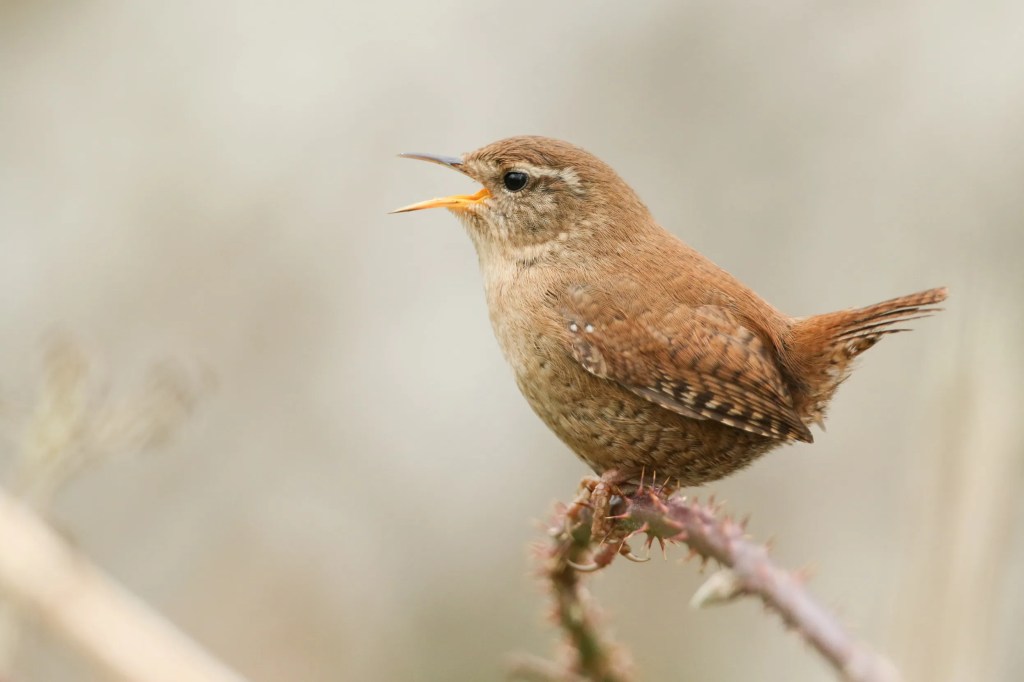 › Read more: Wild Bale – Songsters
Wild Bale – Songsters
There are some four thousand songbirds in the world with a vast range of singing skills from the simple “cuckoo”…
-
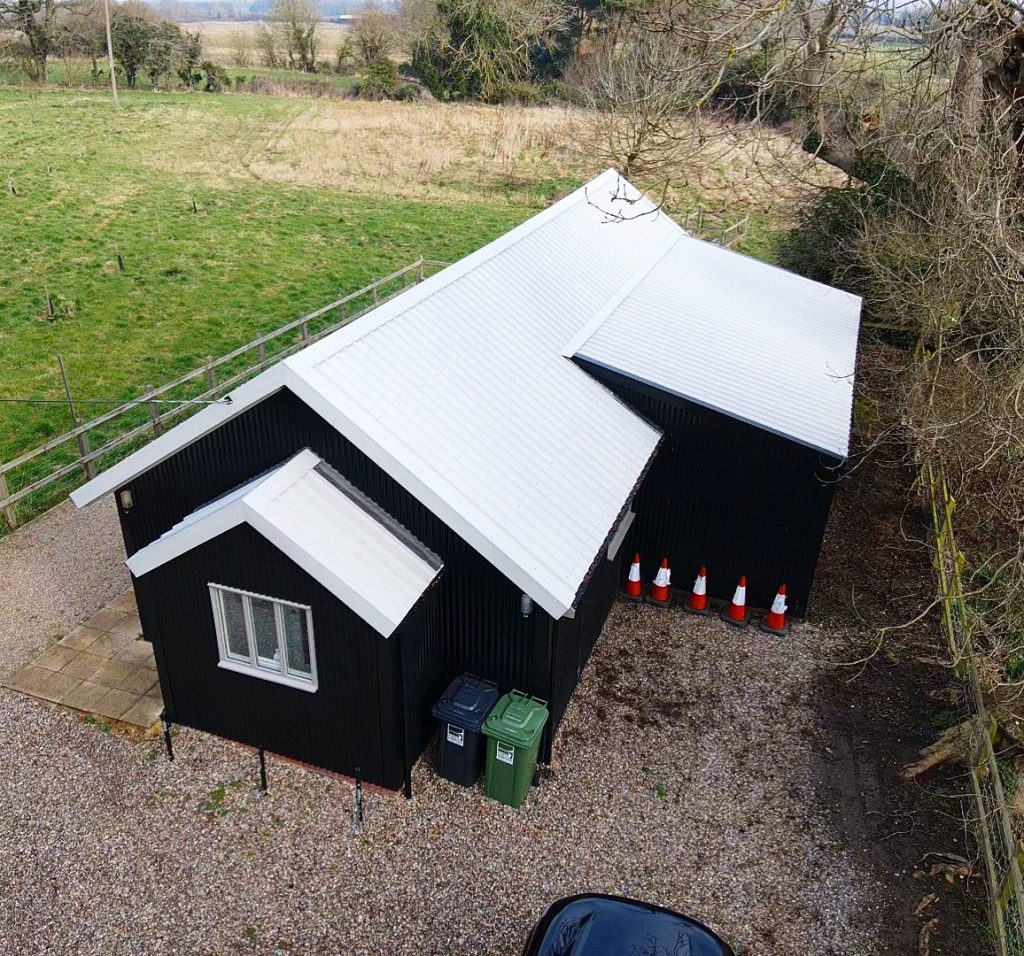 › Read more: Bale Village Hall News – Autumn 2025
Bale Village Hall News – Autumn 2025
The annual Bale barbecue at the end of August was again a great success, using all the hall’s supply of…
Frequently Asked Questions
How do I enquire about booking Bale Village Hall?
Please enquire via our contact page, or by emailing balevillagehall@gmail.com
When is Bale Bar Open?
Typically the Bale Bar is open on the fourth Friday of every month, but sometimes the date may change around Bank Holiday Weekends and at Christmas. Please check our calendar for the date.
When is the Fish & Chips Supper?
Our Fish and Chips Supper is usually on the second Friday of every month, but sometimes the date may change around Bank Holiday Weekends and at Christmas. Please check our calendar for date.
 Bale Village
Leave a comment