The fine weather this spring and summer has increased the fortunes of our native dragonflies and damselflies. These incredible creatures belong to the animal insect order Odonata meaning – toothed jaw- in ancient Greek.
There are some 5,500 species of Odonata in the World of which fifty-two are regularly seen in the UK including forty species or so in Norfolk while in the parish of Bale & Gunthorpe, I have identified twentythree species. This lower number is partly due to the lack of large bodies of open water.
Dragonfly adults are on the wing from April, Largered Damselfly is often the first seen, with some species seen until October/November such as Common Darter. The peak season is July – September.
As adults’ damselflies only live for 2 – 4 weeks while dragonflies live for up to two months. The larva of dragonflies are aquatic and carnivorous, feeding on small aquatic invertebrates and small fish. Damselflies take a year to emerge from the water and become adults while dragonflies are in the larval stage for 2 – 5 years depending on their adult size.
Naturalists have long been fascinated by the dragonfly’s prehistoric appearance and their amazing flight abilities; their two pairs of wings allow them to fly sideways and backwards as they hunt for flying insects which they catch in their front legs which are pushed forward with the leg spines creating a net. They have 360-degree vision and can see very small prey at some distance.
Common species seen in our parish include Banded Demoiselle, Emerald Demoiselle, Common Blue Damselfly, Southern Hawker, Brown Hawker, Fourspotted Chaser, Broad-bodied Chaser, Black-tailed Skimmer & Common Darter. These species can be seen hunting a little distance from water quartering over meadows and along hedgerows and species such as the Emperor Dragonfly can often be seen hunting along wooded glades and over treetops.
To find dragonflies it is best to search along sheltered, warm banks of Norfolk becks, ditches and boggy ground as well as open ponds. They will often be concentrated around shallow bodies of water that remain after a long dry spell as many of the suitable habitats for egg laying begin to shrink and disappear.
Most dragonflies are easily identifiable with a field guide and some patience as they will often perch on vegetation giving an opportunity to study the colours and markings. The males are brightly coloured with distinctive colouring on at least some of the ten segments of their bodies, while others have markings on the wings. The large and brightly coloured Broadbodied Chaser and the Four-spotted Chaser are very attractive dragonflies and are often quite approachable.
Paul Laurie
(Credit: Local Lynx Magazine – Edition 169 – Aug-Sep 2026)
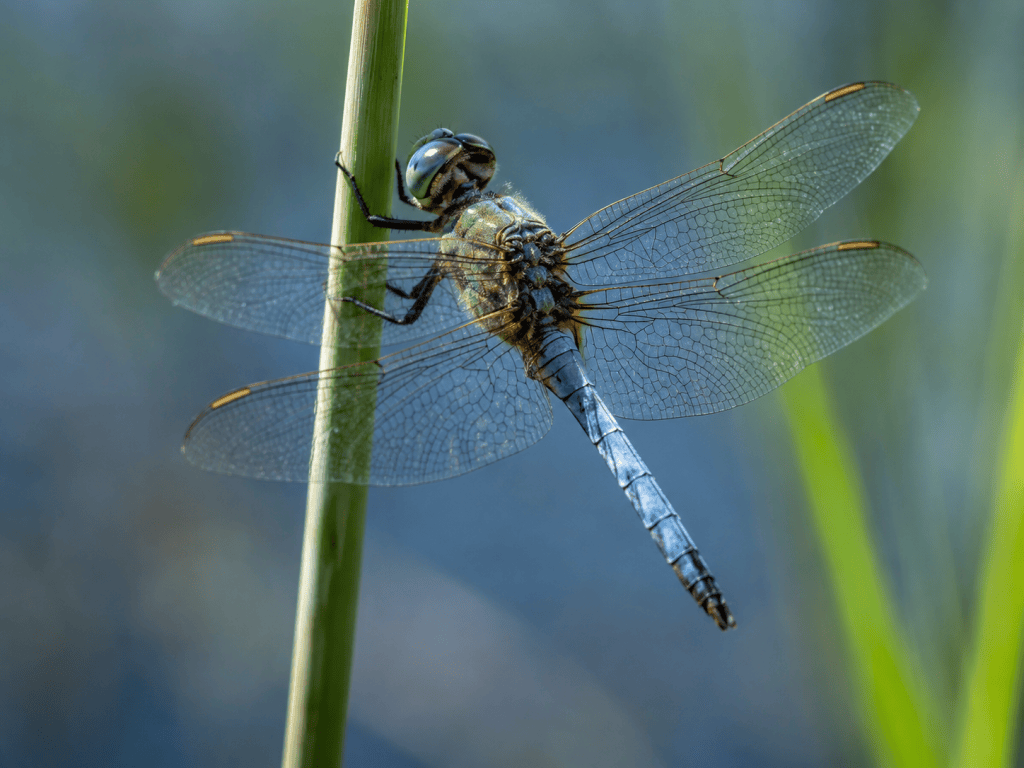
Wild Bale – Dragonflies
Discover more from Bale Village
Subscribe to get the latest posts sent to your email.
Related articles
-
› Read more: Wild Bale – Dragonflies
Wild Bale – Dragonflies
The fine weather this spring and summer has increased the fortunes of our native dragonflies and damselflies. These incredible creatures…
-
 › Read more: Bale Book Group – Aug 26′
Bale Book Group – Aug 26′
Giving up the Ghost by Hilary Mantel At their May meeting, members of Bale book group discussed Hilary Mantel’s memoir,…
-
 › Read more: Bale Fete June 2026
Bale Fete June 2026
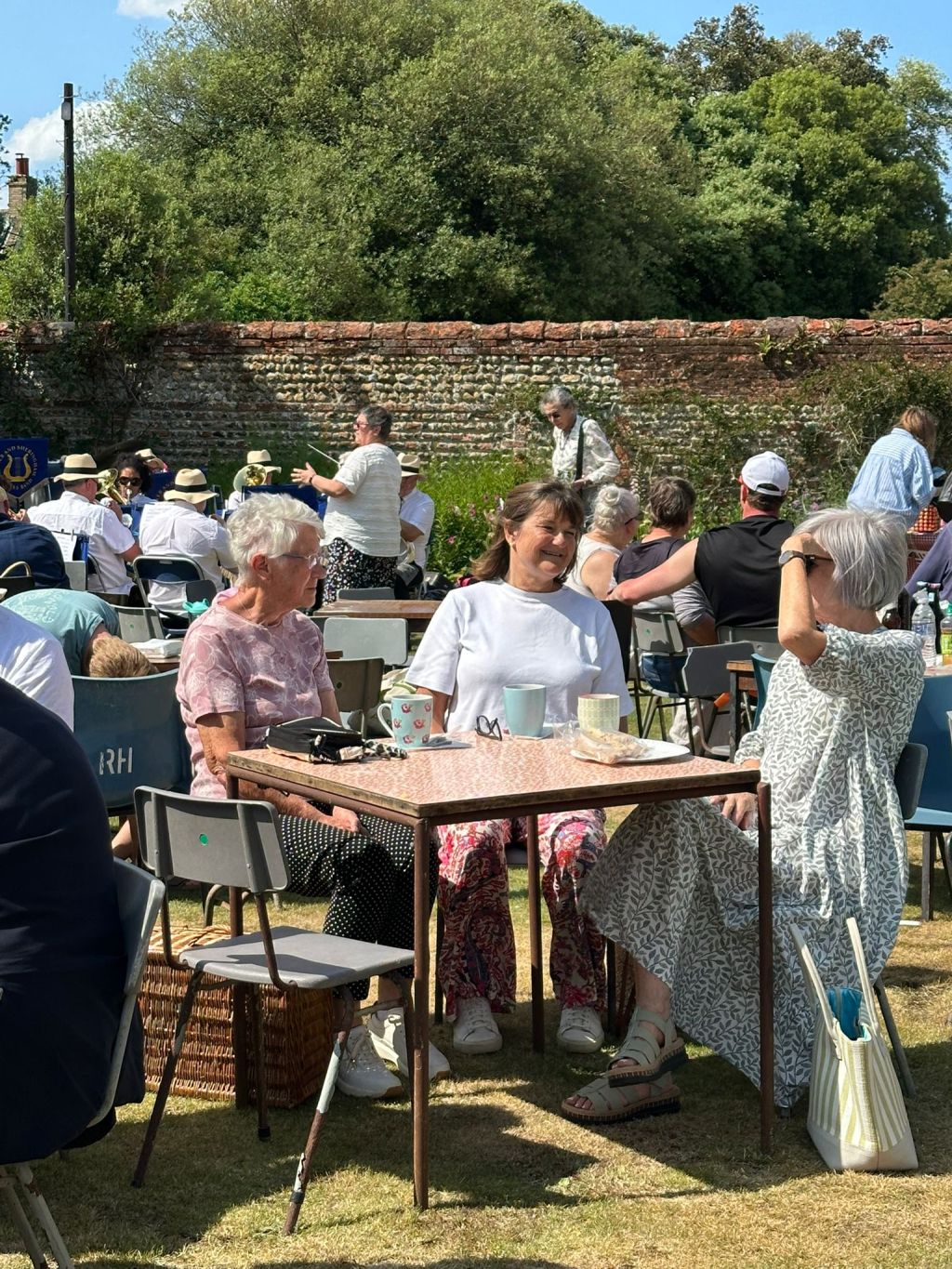
Review of Bale Fete – June 2026Saturday 13th June saw another outing for the Bale Fete. With the previous week’s…
Frequently Asked Questions
How do I enquire about booking Bale Village Hall?
Please enquire via our contact page, or by emailing balevillagehall@gmail.com
When is Bale Bar Open?
Typically the Bale Bar is open on the fourth Friday of every month, but sometimes the date may change around Bank Holiday Weekends and at Christmas. Please check our calendar for the date.
When is the Fish & Chips Supper?
Our Fish and Chips Supper is usually on the second Friday of every month, but sometimes the date may change around Bank Holiday Weekends and at Christmas. Please check our calendar for date.


Leave a Reply